

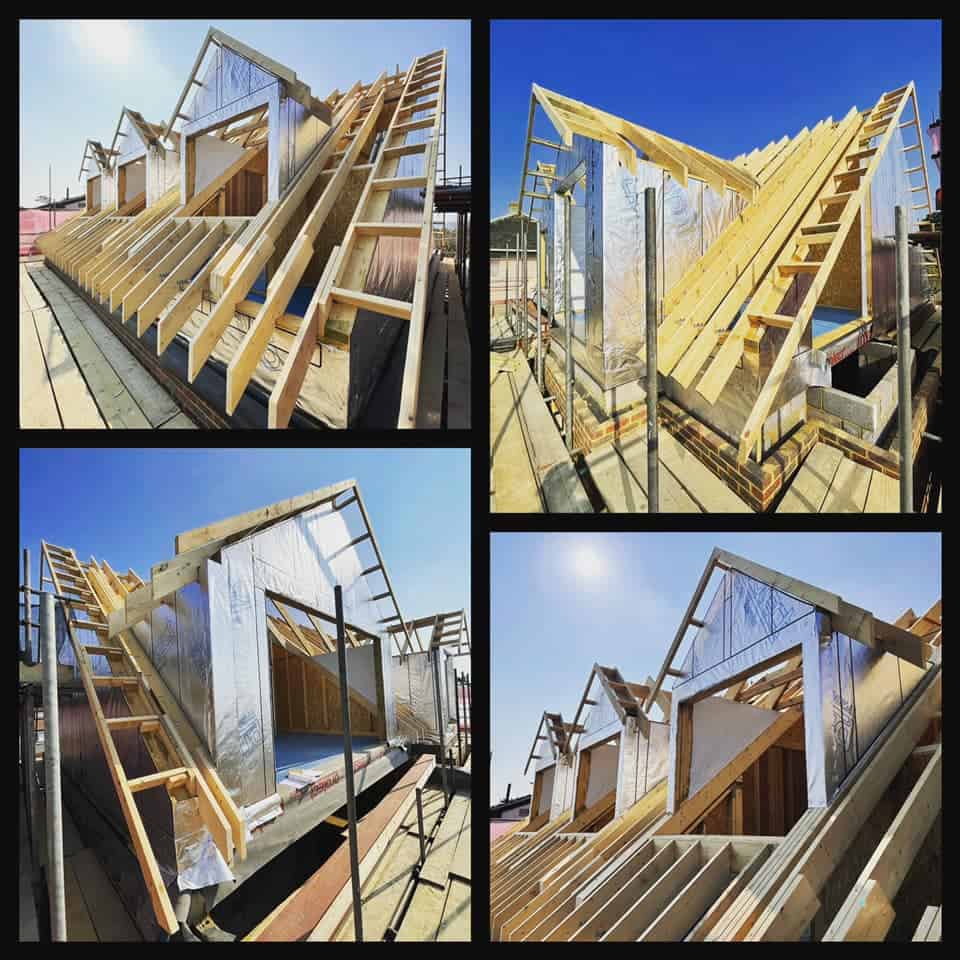
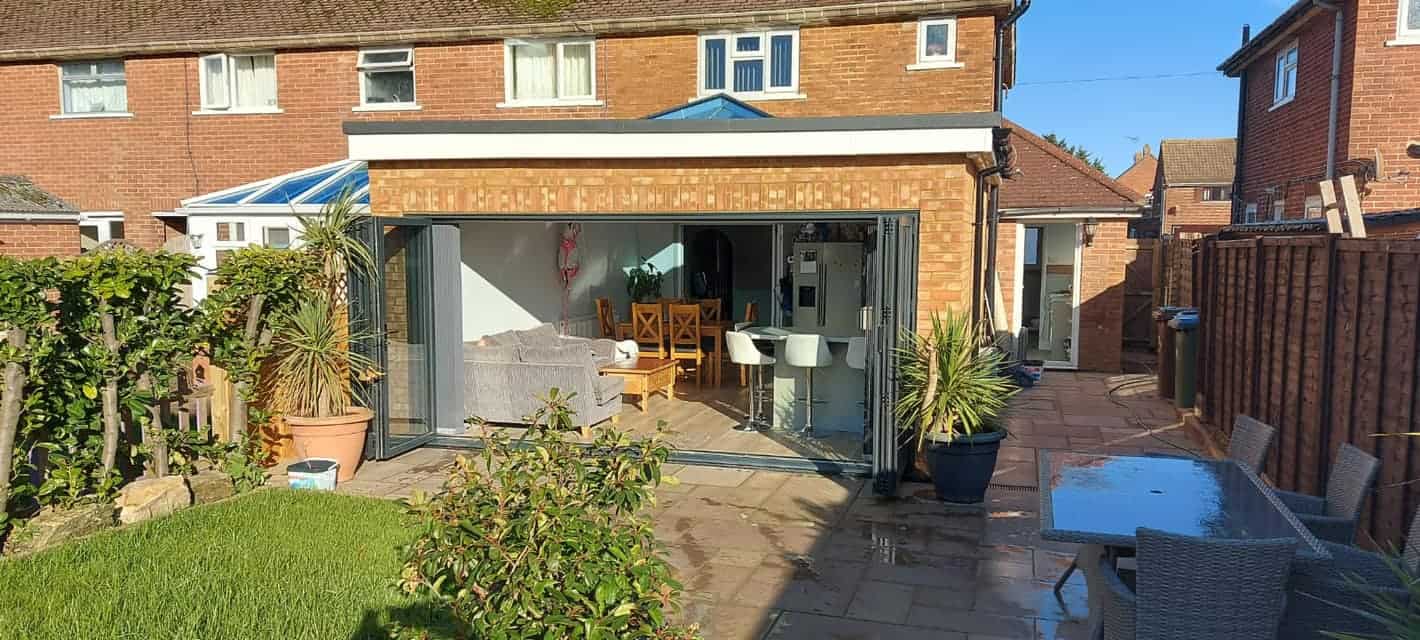
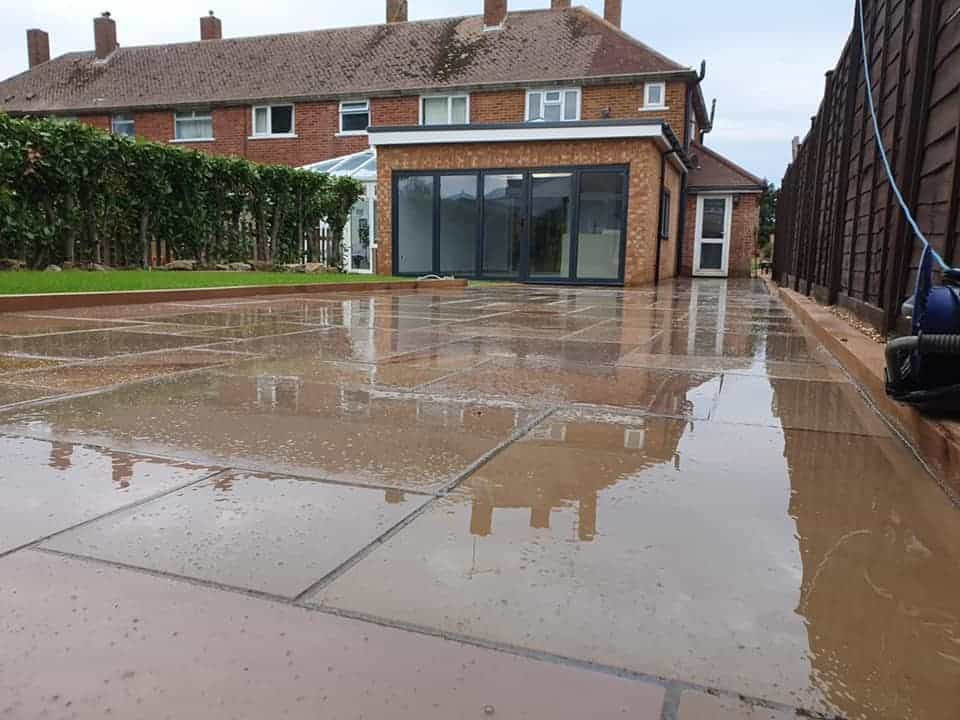
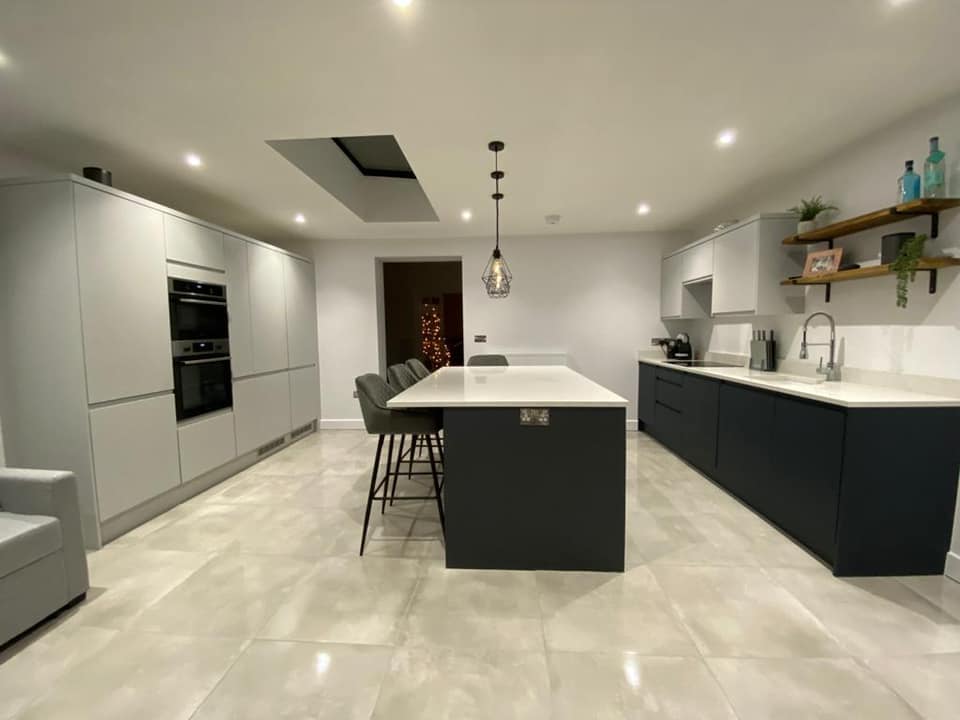
Planning a renovation, extension or self-build project can be exciting, but it can also represent one of the largest financial commitments you will make to your home.
Unfortunately, construction projects can go badly wrong when the builder has not been properly checked, the design is incomplete, the contract is unclear, payments are poorly managed or changes are agreed verbally with no proper record.
But disputes are not always caused by bad builders.
Professional contractors can also suffer significant losses when clients delay payments, continually change the scope of work, expect additional work to be completed for free or withhold money contrary to the agreed contract.
At UK Base Construction, we believe a properly managed building project should protect both parties.
The homeowner should receive the work they have contracted and paid for.
The contractor should be paid properly and on time for work correctly carried out.
The best protection is not simply trust. It is good planning, clear documentation, professional communication and a fair building contract.
Do not choose a builder solely because they are available, friendly or have provided the lowest quotation.
Before committing to a significant renovation or extension, carry out reasonable checks.
You should consider:
Online reviews can be helpful, but they should only form part of your checks.
A five-star review profile is not a substitute for proper due diligence.
A reputable builder may also ask questions about the homeowner, available project funding, the drawings and the proposed payment arrangements.
That should not automatically be viewed negatively.
Good builders want good customers just as much as good customers want good builders.
For substantial renovations, extensions and self-build work, there should be a suitable written building contract.
The contract should make clear:
The appropriate contract will depend upon the value, complexity and procurement route of the project.
For larger projects, professional advice before signing can be extremely valuable.
Compare up to three builders, their quotations, project arrangements and key checks before making your decision.
Download are Checklist Below:
For larger renovations and extensions, homeowners should consider appointing an independent professional to administer the building contract.
Depending on the project, this may be an architect, building surveyor, quantity surveyor or other appropriately competent professional.
A Contract Administrator may help with:
A Contract Administrator should not be viewed as somebody appointed to fight the builder.
A good Contract Administrator administers the contract fairly and consistently.
This protects the homeowner from paying significantly ahead of progress while also protecting the contractor from arbitrary withholding of properly due payments.
One of the most common causes of disagreement is trying to obtain a fixed price before the project is properly designed.
Planning drawings alone may not provide enough information for a contractor to accurately price a project.
Depending on the work, further information may be needed for:
The clearer the information provided to builders, the more meaningful and comparable their quotations will be.
If different contractors are pricing different assumptions, comparing the final totals may tell you very little.
The Construction (Design and Management) Regulations 2015, commonly known as CDM 2015, apply to construction work, including domestic projects.
A homeowner having work undertaken on their own home, where the work is not connected with a business, will normally be considered a domestic client.
Domestic clients are treated differently from commercial clients under CDM 2015.
On a project involving only one contractor, relevant domestic-client duties normally pass to the contractor.
Where more than one contractor is involved, those duties normally pass to the Principal Contractor, unless suitable alternative arrangements are made.
Homeowners should still:
Contractors also have significant responsibilities to plan, manage and monitor construction work so that health and safety risks are properly controlled.
Where you are unsure how CDM applies to your project, obtain competent professional advice before construction begins.
A request for a deposit is not automatically a sign of a bad builder.
Construction companies may incur genuine costs before work begins.
A deposit or advance payment may relate to:
Before paying a deposit, understand:
What is the payment for?
When is it due?
What does the contract say about it?
What happens if the project does not proceed as expected?
Customers should be cautious about paying a disproportionately large percentage of the entire project cost simply to secure a start date.
However, clients should not expect a contractor to fund an entire construction project from their own cash reserves either.
The objective should be a fair arrangement that protects both sides.
On substantial projects, payments will normally be made progressively.
The exact mechanism should be agreed in the contract.
Payments may be based on:
The homeowner should not normally be paying significantly ahead of the work without a clear contractual reason.
Likewise, the contractor should not be expected to complete substantial amounts of properly executed work without receiving payment.
Where an independent Contract Administrator or Quantity Surveyor is involved, they may assess the value of work before payment becomes due.
That provides useful separation between:
“The builder says they are owed this amount.”
and
“Under the contract, this amount is properly due.”
Changes are normal on renovation and extension projects.
Disputes arise when those changes are not properly recorded.
A client may change a kitchen layout, choose a different finish or request additional electrical work.
A contractor may also uncover unforeseen conditions once an existing building is opened up.
Where possible, every variation should be documented before the additional or changed work proceeds.
A variation record should identify:
A short conversation on site can easily become a major disagreement several months later.
Write it down.
We recommend that both parties sign or otherwise clearly approve significant variations before the work is carried out wherever reasonably possible.
One of the most important things for homeowners to understand is that a change to the project may affect more than the price.
A variation may require:
Agreeing a £3,000 variation does not automatically mean the completion date stays the same.
A properly recorded variation should therefore show both:
Cost impact
and
Programme impact
This protects the homeowner from unexpected charges and protects the contractor from being expected to complete additional work without additional time.
A successful project requires cooperation from the homeowner.
Depending on the contract, the client may need to:
Late client decisions can cause late projects.
Changing a kitchen layout after plumbing and electrical services have been installed may involve additional cost.
Changing specified materials after they have been ordered may involve additional cost and delay.
Adding work can change both price and completion.
A contractor should explain those consequences clearly, but the homeowner should also recognise them.
Professional contractors should provide transparency.
A reputable builder should be prepared to explain:
A professional contractor should not rely on ambiguity to generate additional charges later.
If something significant is excluded, it should be stated.
If something cannot reasonably be priced yet, that should be stated.
If a requested change will cost more, that should be explained before proceeding wherever reasonably possible.
Protection should work both ways.
Reputable contractors employ staff, engage subcontractors, purchase materials, hire equipment, carry insurance and commit significant resources to delivering a project.
Customers should therefore:
Holding back substantial sums without contractual justification is not an alternative to good project management.
Neither is threatening a contractor with negative reviews simply to obtain free work, discounts or concessions.
A fair contract protects both sides.
No individual warning sign automatically proves a contractor is unsuitable, but homeowners should investigate further if they encounter several of the following:
Builders should also be alert to projects where clients refuse reasonable contractual terms, continually seek discounts after agreement, expect substantial extras free of charge or appear unwilling to follow agreed payment procedures.
Sometimes the correct decision for either party is simply not to enter into the contract.
Before committing significant money to a renovation or extension, ask:
If several of these answers are no, resolve them before substantial money is committed or construction begins.
Good construction management is not about creating unnecessary paperwork.
It is about preventing misunderstandings.
Homeowners deserve protection from dishonest or incompetent contractors.
Professional builders deserve protection from unreasonable clients, unpaid work and continually changing expectations.
The solution is largely the same for both:
Check who you are dealing with.
Define the work properly.
Use an appropriate written contract.
Understand CDM responsibilities.
Agree how and when money will be paid.
Record variations.
Communicate problems early.
Use independent professional advice where appropriate.
A successful building project should not depend on blind trust.
It should be structured so that both the homeowner and the contractor can proceed with confidence.
This page is provided by UK Base Construction for general guidance only.
It is intended to help homeowners better understand common issues involved in renovations, extensions and self-build projects.
It does not constitute legal, contractual, financial, architectural, engineering or health and safety advice.
Every construction project is different. Where appropriate, homeowners and contractors should obtain advice from suitably qualified professionals and refer to current legislation, official guidance and the terms of the relevant building contract.
For CDM guidance, the Health and Safety Executive publishes specific information for domestic clients and construction projects.
Five practical forms to help homeowners and builders manage a construction project fairly, clearly and professionally – from initial checks through to payments and variations.
Check the legal identity of the business, trading history, appropriate insurance, previous projects and references. Where relevant, check Companies House and professional or trade memberships. Online reviews can help, but they should not replace proper due diligence.
There is no single percentage appropriate for every project. The amount should reflect the circumstances, contract and genuine commitments being made. Be particularly cautious about disproportionately large upfront payments that cannot be clearly explained.
For a substantial extension or renovation, an appropriate written building contract is strongly advisable. It should establish the scope, price, payment arrangements, programme, variations, responsibilities and procedures if something goes wrong.
A variation is a change to the agreed work. It could add, remove or alter work. Significant variations should ideally be recorded in writing and should address both the change in price and any effect on the construction programme.
Not automatically. Compare the scope, exclusions, assumptions, experience, programme, management arrangements and contractual terms as well as the final price. A significantly cheaper quotation may simply include less work or rely on different assumptions.
A deposit is not automatically unreasonable. Builders may need to commit money to materials, manufacturing, plant or mobilisation before work begins. The important questions are how much is being requested, what the money is for and what the building contract says about advance payments.
Yes, we offer free, no-obligation quotes. We’ll discuss your project, assess the work required, and provide a clear and detailed estimate.
A Contract Administrator is a professional who administers the building contract in accordance with its terms. Depending on the project this might be an architect, building surveyor or another suitably qualified professional. Their duties can include dealing with instructions, payments, variations, completion and defects.
Where work falls outside the agreed contract scope or results from a properly instructed variation, it may result in an additional charge. The contractual position and price should be established as clearly as possible before the additional work proceeds.
Yes. Additional or changed work can require extra labour, materials, design work, approvals or subcontractors. Variations should therefore consider both the financial effect and the programme effect.

We provide architectural and design services to help bring your ideas to life. From initial concepts to detailed drawings, we create practical and buildable plans. Our designs focus on maximising space, functionality, and long-term value.
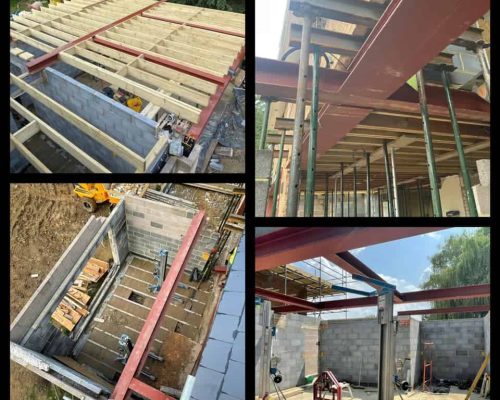
We provide structural engineering solutions to support safe and effective building projects. From load-bearing calculations to structural designs, we ensure your project meets all requirements. Our focus is on strength, safety, and practical solutions that support your build from start to finish.
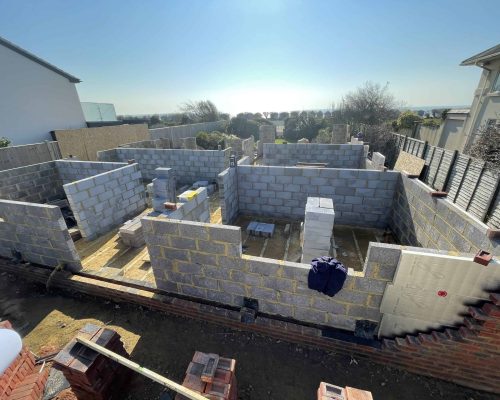
Planning & Building Inspections We provide expert guidance on planning permission, building regulations and inspections for residential and commercial projects.
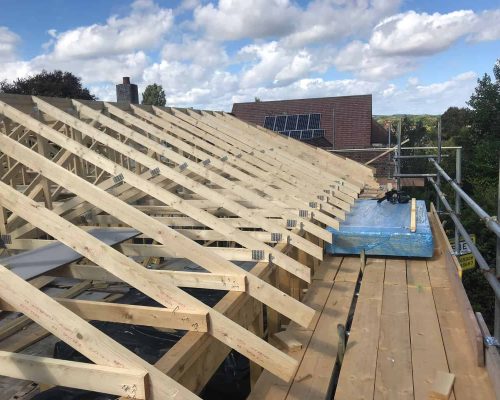
We provide comprehensive general building services for extensions, renovations, alterations, structural work and property improvements. From initial preparation through to the finishing stages, our experienced team manages every element with reliable workmanship and attention to detail.
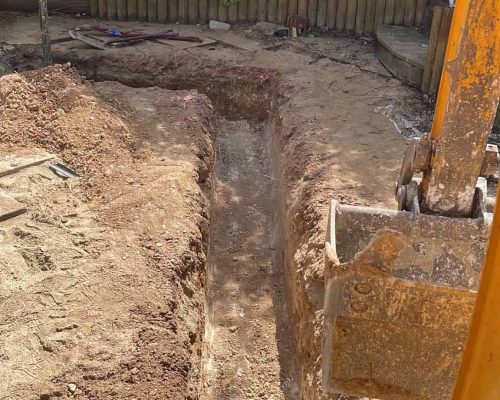
We provide professional groundwork services to support all types of building projects. From foundations and drainage to site preparation, we ensure everything is built on solid ground. Our work is carried out safely, efficiently, and to a high standard from the start.

We deliver high-quality brickwork for both structural and decorative projects. From extensions and repairs to garden walls, we ensure a precise and durable finish. Our focus is on strong, reliable workmanship that complements your property.

We provide professional carpentry services covering structural timberwork, first and second fix installations, roofing timbers, doors, flooring and bespoke joinery. Every project is completed with precision, practicality and careful attention to detail.
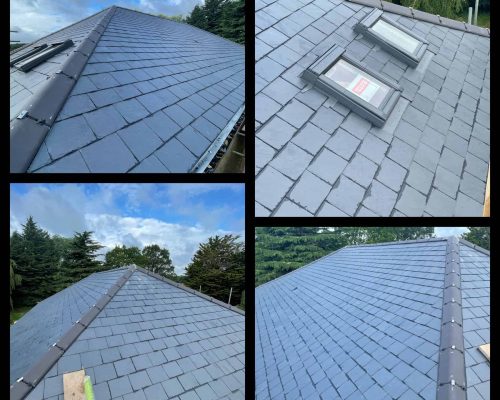
We provide reliable roofing services for repairs, new roofs, and building projects. From pitched and flat roofs to maintenance work, we ensure durable and weatherproof results. Our focus is on quality workmanship and long-lasting protection for your home.

We offer safe, efficient electrical services for all types of residential projects. From full rewires to lighting and upgrades, all work is completed to current regulations and standards.

Our plumbing services include everything from installations to system upgrades and repairs. We ensure reliable, efficient solutions tailored to your home and project requirements.

We deliver high-quality plastering with smooth, durable finishes ready for decoration. From patch repairs to full property plastering, we ensure a clean and professional result.

Our decorating services bring the final finish to your project with care and attention to detail. We provide clean, precise work that enhances and completes your home.